Why People Left 'Chungju City' to Follow 'Chungju Man
The era of the one-person production, and why AI has become an “infrastructure” rather than an “option”
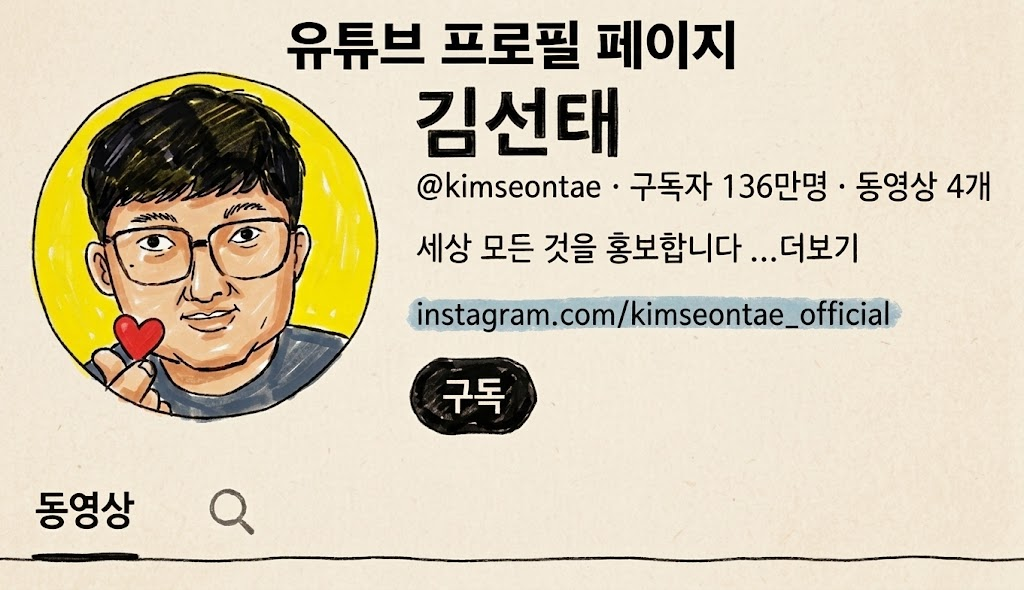
Some events may seem like “one person’s choice,” but
in fact,they are signals confirming that the times have already changed.sometimes.
Kim Seon-tae (Chungju Man)'s shift to a personal channel is a perfect example.
Some might say:
"Of course he went independent after becoming famous."
But I think the opposite.
"The era where independence became possible came first, and 'the shift' exploded on top of it."
And the engine of that era isAI.
Now, AI is no longer a “nice-to-have tool,” but
an infrastructure needed to create content 'continuously' on your own.has become.
0. The first question that changed: Not “Did the channel grow?” but “Who is moving along?”
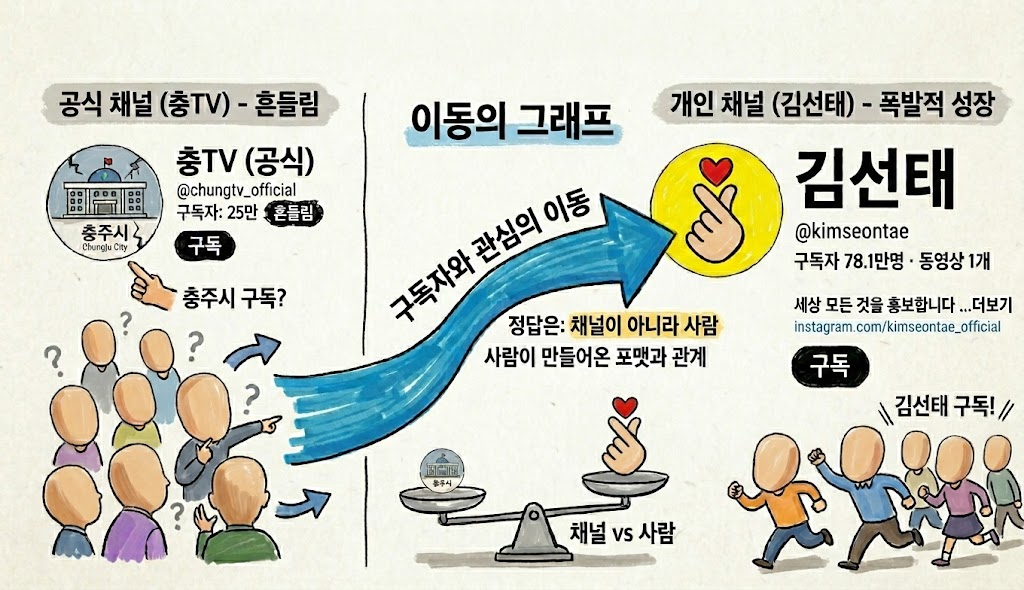
What's interesting about this incident isn't “a personal channel opened up.”
It's **'where the subscribers and interest moved.'**
Reports that the official channel (ChungTV) is faltering and the personal channel (Kim Seon-tae) is exploding in growth came out almost simultaneously.
Reports that the official channel (ChungTV) is faltering and the personal channel (Kim Seon-tae) is exploding in growth came out almost simultaneously.
Here, the question changes.
Did subscribers subscribe to the 'Chungju City' channel?
Or did they subscribe to the person 'Chungju Man'?
The answer… the graph already tells us.
Not the channel, but the person.
And to be more precise,the format and relationship the person has built.
1. What Chungju Man built on the public channel was not 'operational skill' but 'transferable IP'
Public channels usually have this structure:
Operate under the organization's name
Receive approval from the system
The tone must be maintained even if the person changes
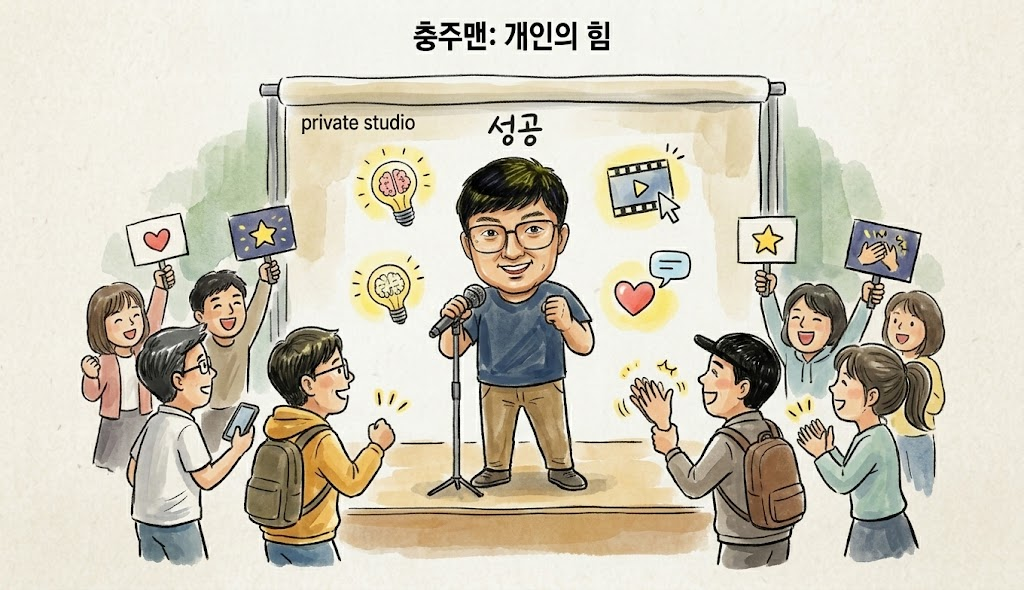
However, ChungTV was remembered by many not as “Chungju City YouTube” but as
"Chungju Man's entertainment-style public content."as.
The reason this is important is simple.
If the format sticks to the person, it becomes transferable.
Planning sense
Character tone
Editing rhythm
Relationship with viewers (comments, memes, repeat views)
These things pretend to be 'channel assets,' but are actuallypersonal IP.
So, as soon as he opened a personal channel,
viewers move, thinking, “We just need to come here, right?”
2. But the real problem is what comes next: “Can you keep making it alone?”
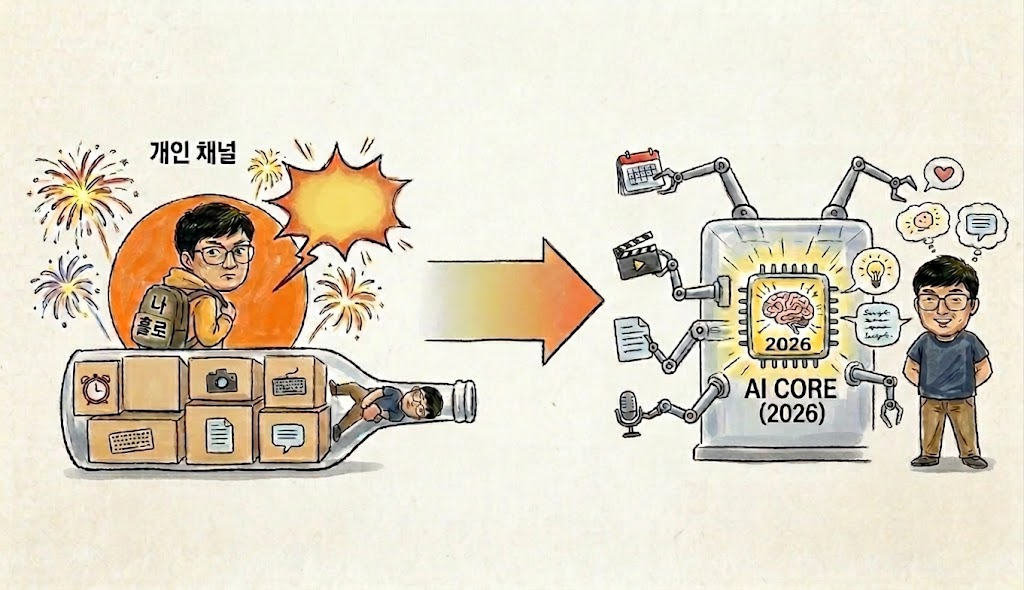
A personal channel can explode at the start.
But it's much harder to maintain.
Because a personal channel immediately becomes this:
I set the schedule
I do the production
I do the uploading
I do the comments/community
I do the sponsorships/contracts/labeling
I handle the controversy response
At this point, a sentence comes to mind.
The moment a person becomes a brand, that person becomes a bottleneck.
What a one-person creator needs here is
even before talent or passion,a “production system.”
And in the production system of 2026,
the most essential component isGenerative AI.
3. The 'platform game' in the one-person production era works like this
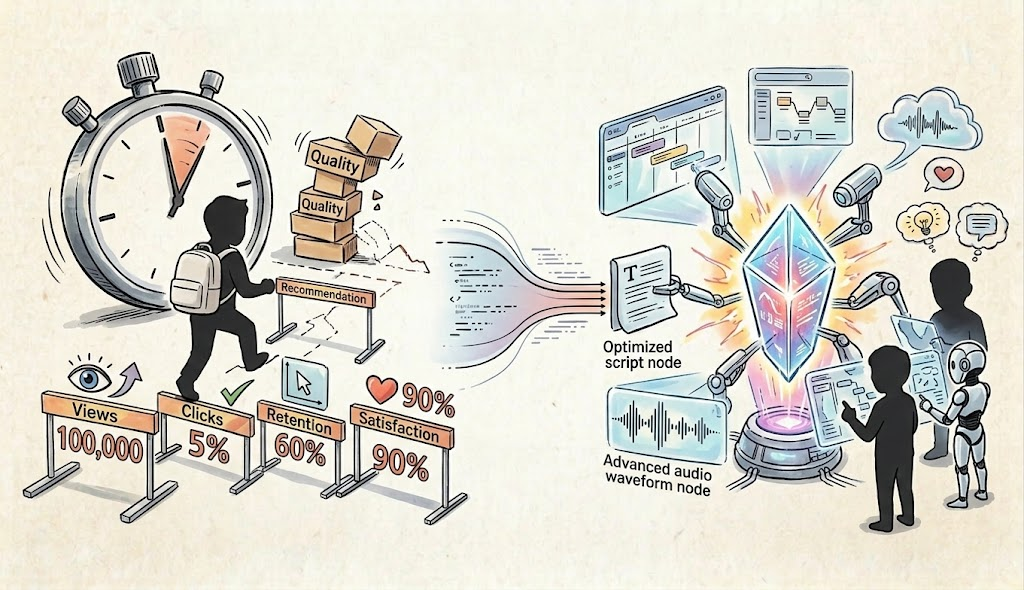
YouTube kindly converts everything into numbers.
Exposure
Click (CTR)
Viewing duration (retention)
Satisfaction (response/return visit)
In other words, a one-person creator takes this test every time.
“Did this video get clicks?”
“Did it survive the first 10 seconds?”
“Did they watch until the end?”
“Do they come back to watch the next video?”
The scary thing here is one thing.
Experiment speedIf it's slow, you'll be pushed back immediately.
Andconsistent qualityIf it collapses, recommendations will stop.
The way to catch these two things at the same time
used to be a “team,”
now it's “AI + 1 person.”
4. So, in conclusion: AI becomes a 'production infrastructure' rather than a 'tool'
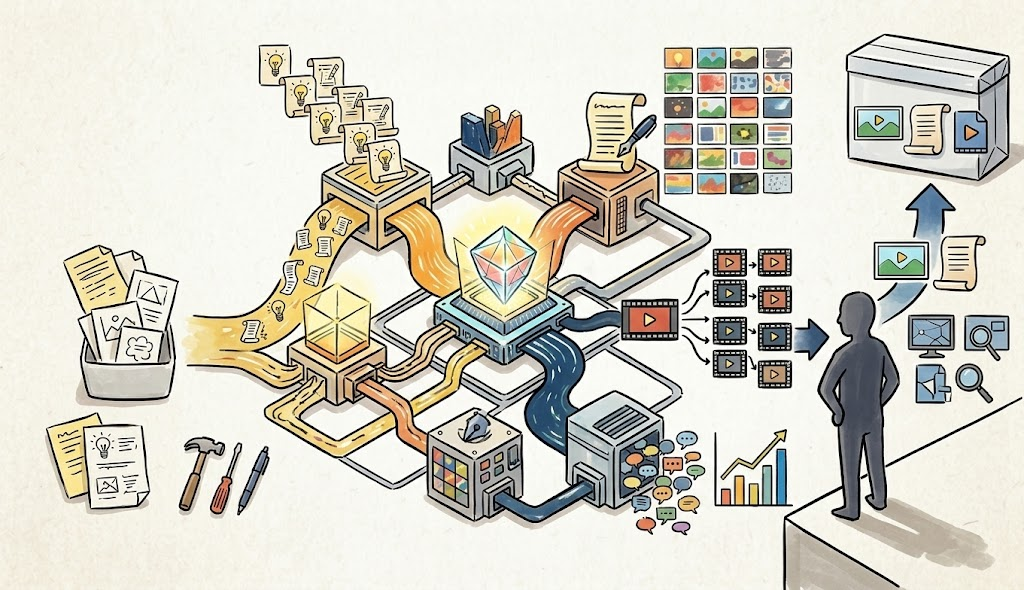
The way AI changes content creation is simpler than you think.
AI replaces the 'draft labor' that people used to do,
and people focus on 'judgment labor.'
The key here is not 'replacement' butamplification.
Pull out more plans
Create scripts faster
Experiment with more thumbnail phrases
Run more subtitles/summaries/short-form re-processing
Analyze comment responses faster
If this becomes possible, one-person production goes beyond “possible” and becomes
Standard Operating Procedurebecomes.
5. The real form of the 1-person+AI workflow is not “production automation” but “verification automation”
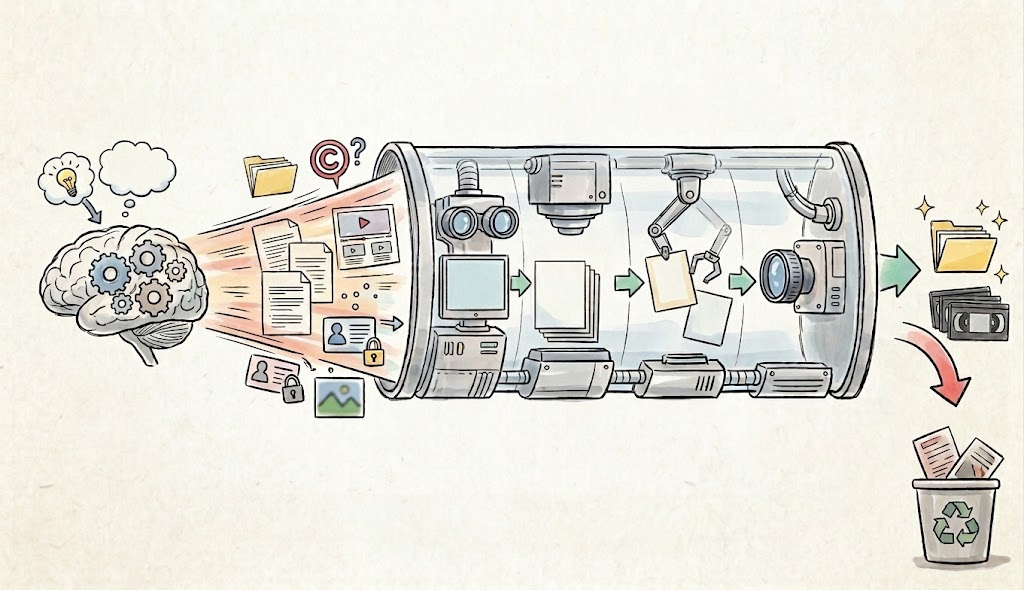
This is where it gets real.
If you make drafts quickly with AI,
that muchrisk is also created quickly.
Factual errors (plausible but wrong)
Copyright/portrait rights/music
Omission of advertising/sponsorship labeling
Personal information leakage (reports/contracts/contact information)
Defamation/exaggeration/misunderstanding
So, the key to one-person production is not “whether to use AI,” but
whether you have systematically built a 'verification gate' as much as you use AI.
Like below.
flowchart LR
A[아이디어/이슈] --> B[리서치·출처 수집]
B --> C[AI 초안: 구성·대본·썸네일 문구]
C --> D{검증 게이트}
D -->|팩트·수치·인용| E[팩트체크]
D -->|저작권·초상권·BGM| F[권리 점검]
D -->|광고/협찬 여부| G[표기·고지]
D -->|개인정보 포함?| H[마스킹·동의]
E --> I[촬영]
I --> J[편집·자막]
J --> K[업로드·메타데이터]
K --> L[숏폼/커뮤니티 재가공]
L --> M[CTR/리텐션/댓글 분석]
M --> B
Content productionbut
the stability of the verification loopwill save the channel in the long run.
6. Based on “1 10-minute video,” AI changes the location of costs instead of 'compressing' production time
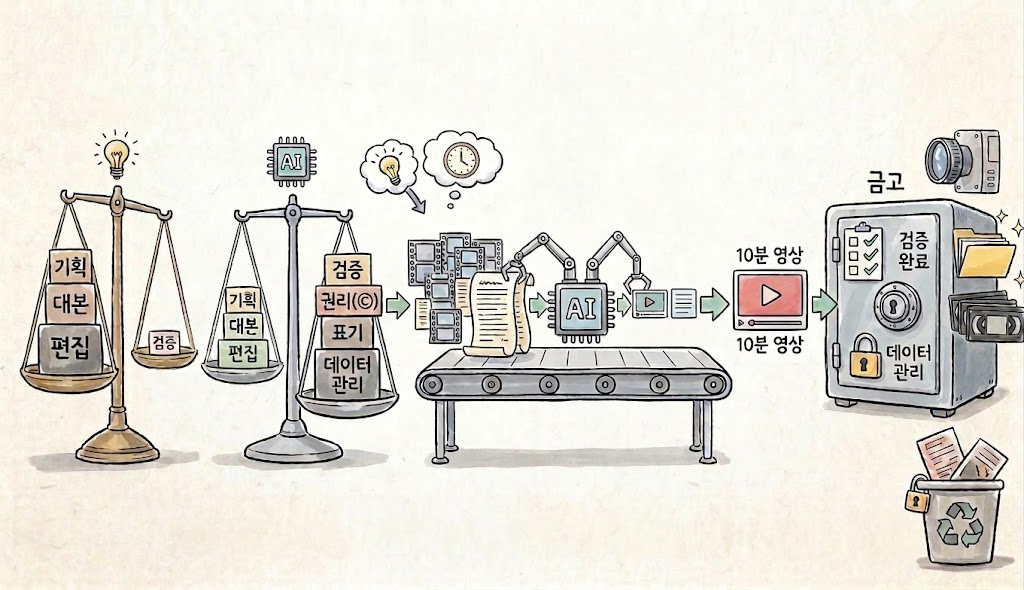
The essence of AI adoption is not “total cost reduction.”
Cost reallocation.
Before: Planning/script/editing took a lot of time
Now: Planning/script/editing is faster, but
Verification/rights/labeling/data managementbecomes the most expensive
So, the most important sentence for one-person creators going forward is this:
“The faster you create with AI, the more strictly you have to operate.”
7. The success potential of Chungju Man's personal channel is determined more by 'system' than 'talent'
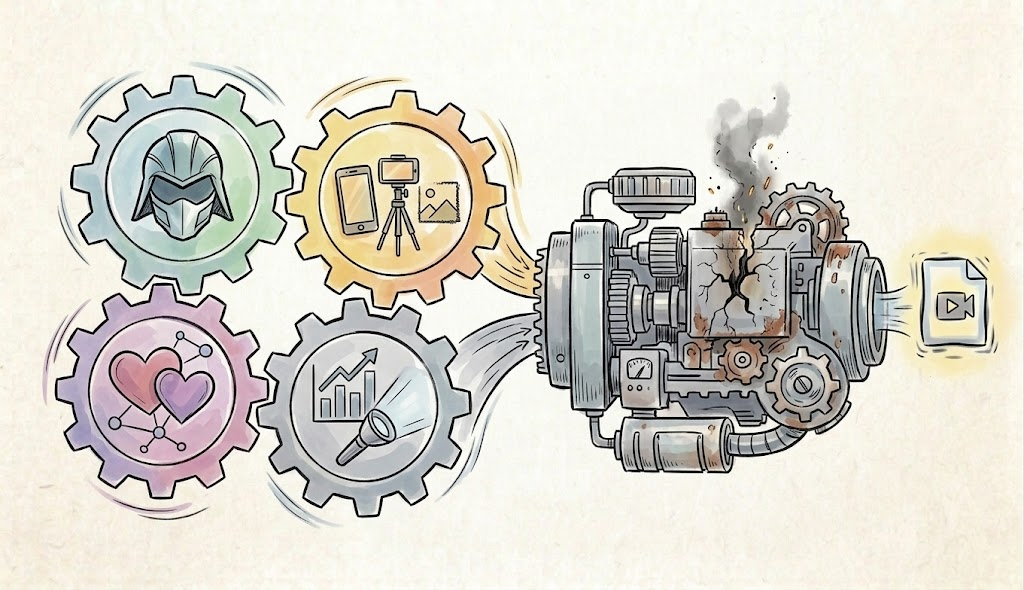
Breaking down the probability of success into four axes makes it clear.
1) Character asset
A character already recognized by the public is strong.
That's why initial acceleration occurs.
2) Format asset
Things like “short-form planning + on-site feel + B-grade sensibility” are
actually more aboutmethodology
They can be reproduced.
3) Relationship asset
The fact that viewers followed the person rather than the channel means
there was a bond of relationship.
4) Algorithm asset
If initial subscription/viewing/response is strong,
the platform gives more exposure opportunities.
But there is only one variable that destroys all of this.
Sustainability.
(Burnout, operational risks, quality degradation)
So, ultimately, the condition for success is
not a “good video” but a “sustainable production engine.”
8. The moment the comments section suddenly became an ‘expo’
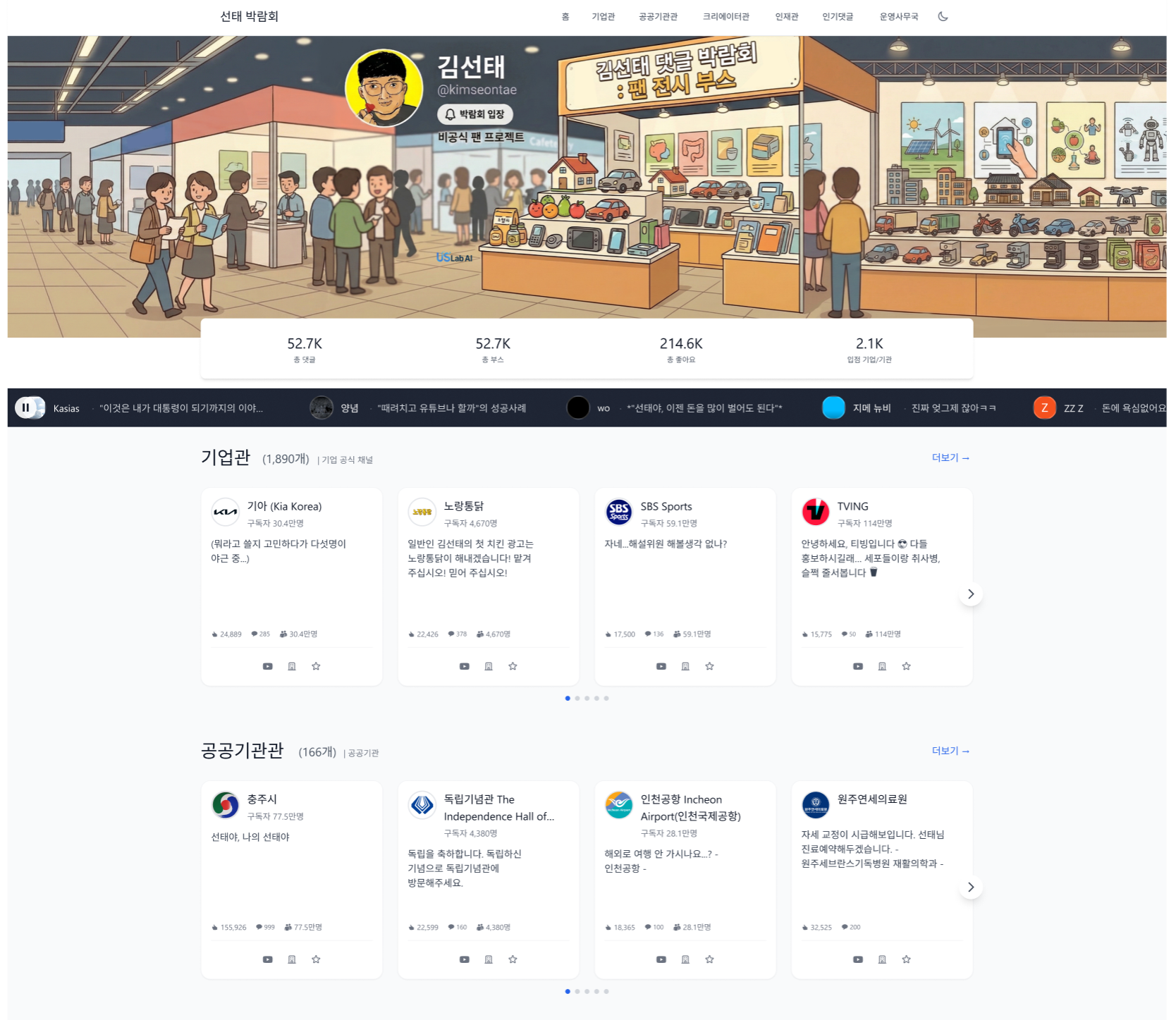
(Seontae Expo site created by USLab.ai)
However, there was another interesting scene in this incident.
Something more interesting than the video itself happened in the comments.
Corporate accounts, public institutions, startups, and even individuals started appearing in the comments.
“Come to our company.”
“Our institution is also hiring.”
“Looking for people to work on this together.”
At first, it seemed like a joke, but as time passed, the comments section transformed into a small marketplace.
Someone posts a job advertisement, someone introduces their capabilities, and someone else proposes collaboration.
Not an official function created by the platform, but
a spontaneous ‘job fair’ created by the people themselves.
This scene is quite symbolic.
Content is not simply consumed, but
peoplea space for exchanging relationships and opportunitiesIt shows that it can be expanded to.
And ironically,
not an official recruitment platform butYouTube commentsThat scene opened up first.
9. The one-person creator of this era becomes an ‘artist’ and a ‘system engineer’
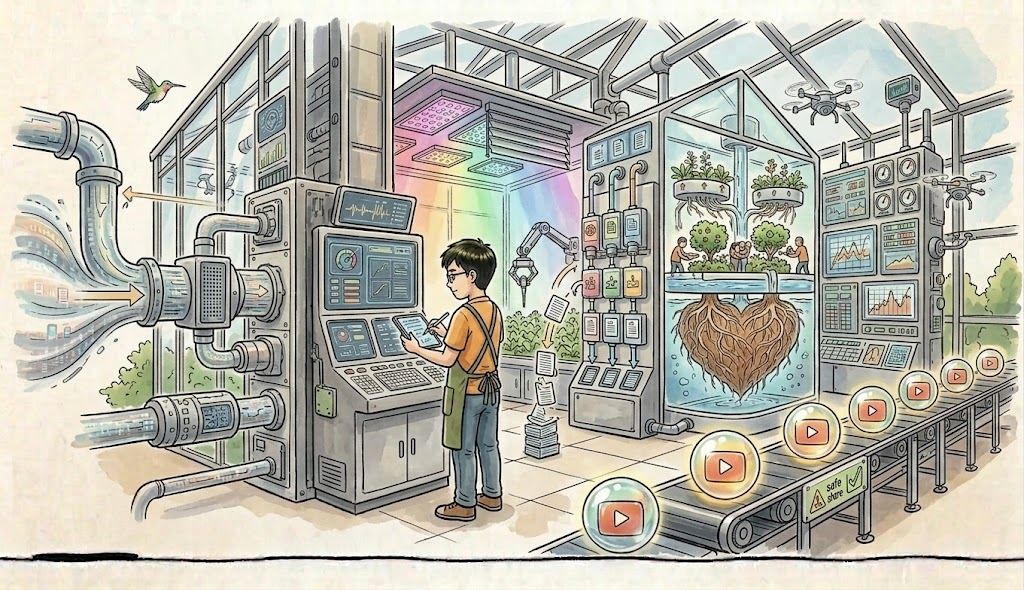
This may sound like an exaggeration.
The market is already changing like this.
Creators need to upload more often,
react faster,
and operate more safely.
What if one person has to do all this?
Only those who use AI like their own hands and feetwill remain.
Does that mean AI does everything?
No.
What AI does is a “draft,” and
what remains is human “judgment.”
How far to go
What to leave out
What tone to use to maintain trust
How to draw the line between sponsorships and advertisements
What criteria to use to correct when a controversy erupts
This is the competitiveness of 2026.
Conclusion: The Chungju Man's transfer shows a bigger change than 'content'
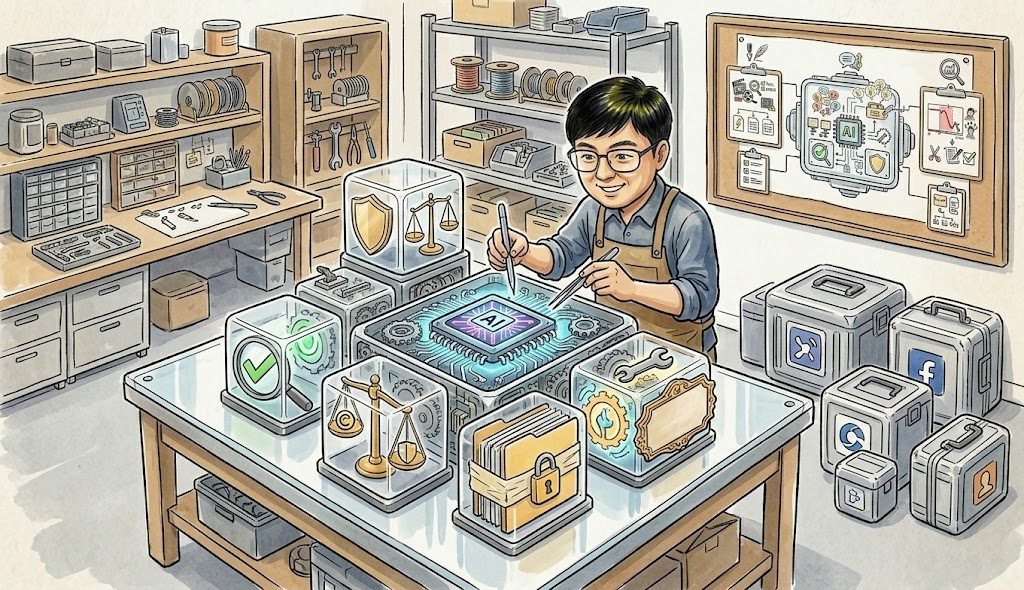
The reason this incident is interesting is simple.
Because it doesn't end with the story of an individual leaving an organization to create a channel.
More interesting things are happening around it at the same time.
People gather under the content, and when people gather, relationships are formed, and when relationships are formed, ultimatelyOpportunities and marketsare created. The job search scene that took place in the comments of this video may be the most intuitive example of that change.
Because one piece of content created by an individual gathers people, creates conversations, and even a smallexpo-like spacehas been created.
So, the question going forward is not simple.
Not “Who creates better content?” but
“Who creates a system that can gather people?”
And at the heart of that system is a new production infrastructure called AI. Individuals are now creators and media companies, and content is not just a video buta platform that connects people and opportunitiesis becoming.
Are you looking for the right answer?
Or are you learning faster and breaking down less?Operating engineAre you creating?
I think the era where the latter wins has already begun.