AI now reads websites more than humans.
The first reader of our website might not be human.
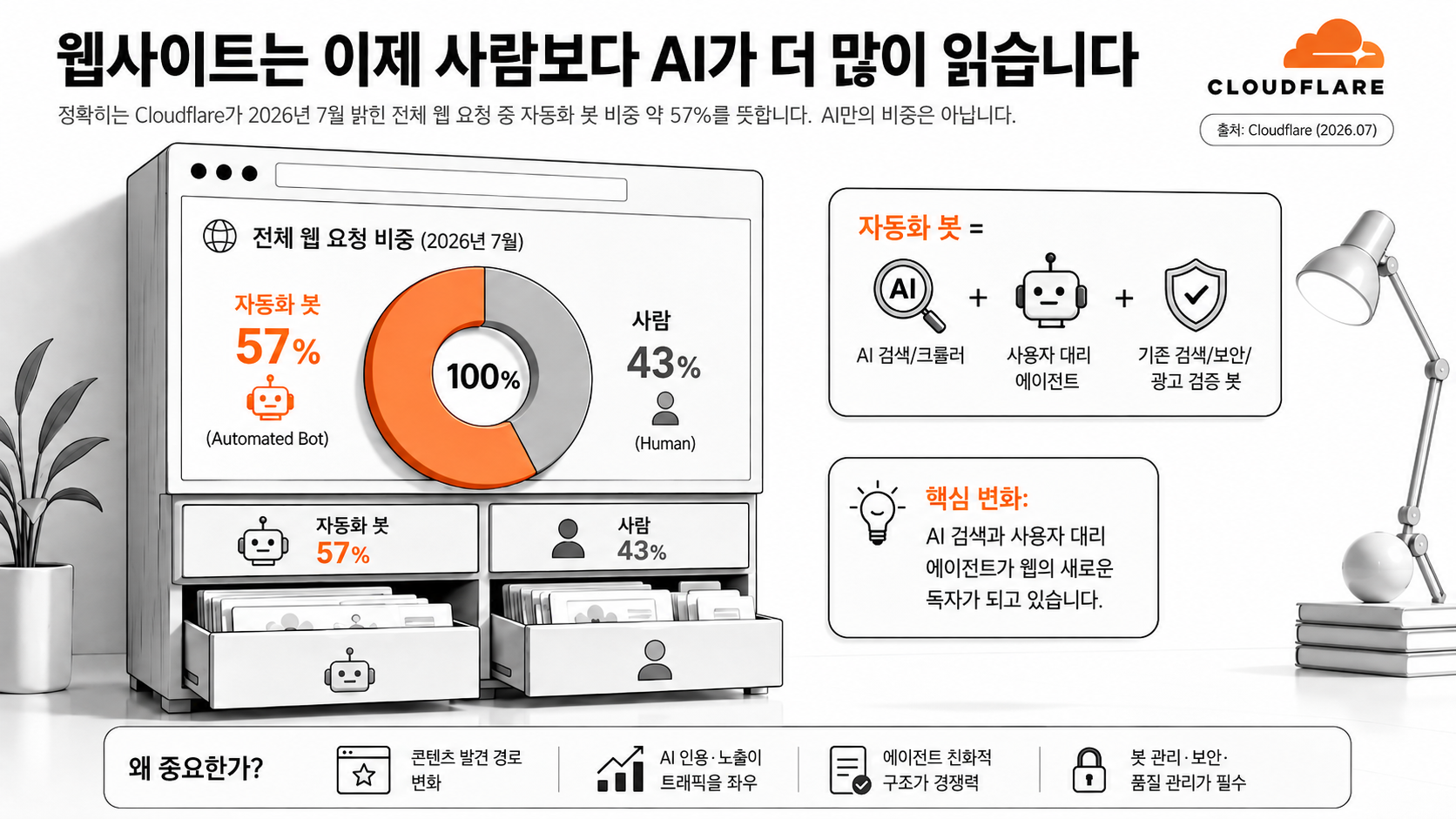
Before someone looks for our company, they first ask an AI: "What does this company do?", "Is it right for us?", "How much does it cost?", "Compare it with others." The AI reads search results and dozens of webpages, then shows only a few to the person. Now, a website is no longer just a brochure that visitors open. It's becoming the company's official manual that AI reads first, understands, and decides whether to recommend.

That's why I titled this post "Websites are now read more by AI than by humans." It's a somewhat strong title. To be precise, the approximately 57% reported by Cloudflare in July 2026 is not solely the proportion of AI, but the proportion of automated bots among all web requests. This includes older bots for search, security, and ad verification. However, we cannot deny the shift where AI search and user proxy agents have become new readers of the web.
The core point is not a declaration that AI has completely replaced humans.
It means that the pathways for AI to read about our company first, before reaching humans, are rapidly increasing.
Related EvidenceCloudflare, Your Content, Your Rules The scope of measurement for automated bots and AI traffic should be interpreted separately.
AI seeks reliable information, not just a pretty website.

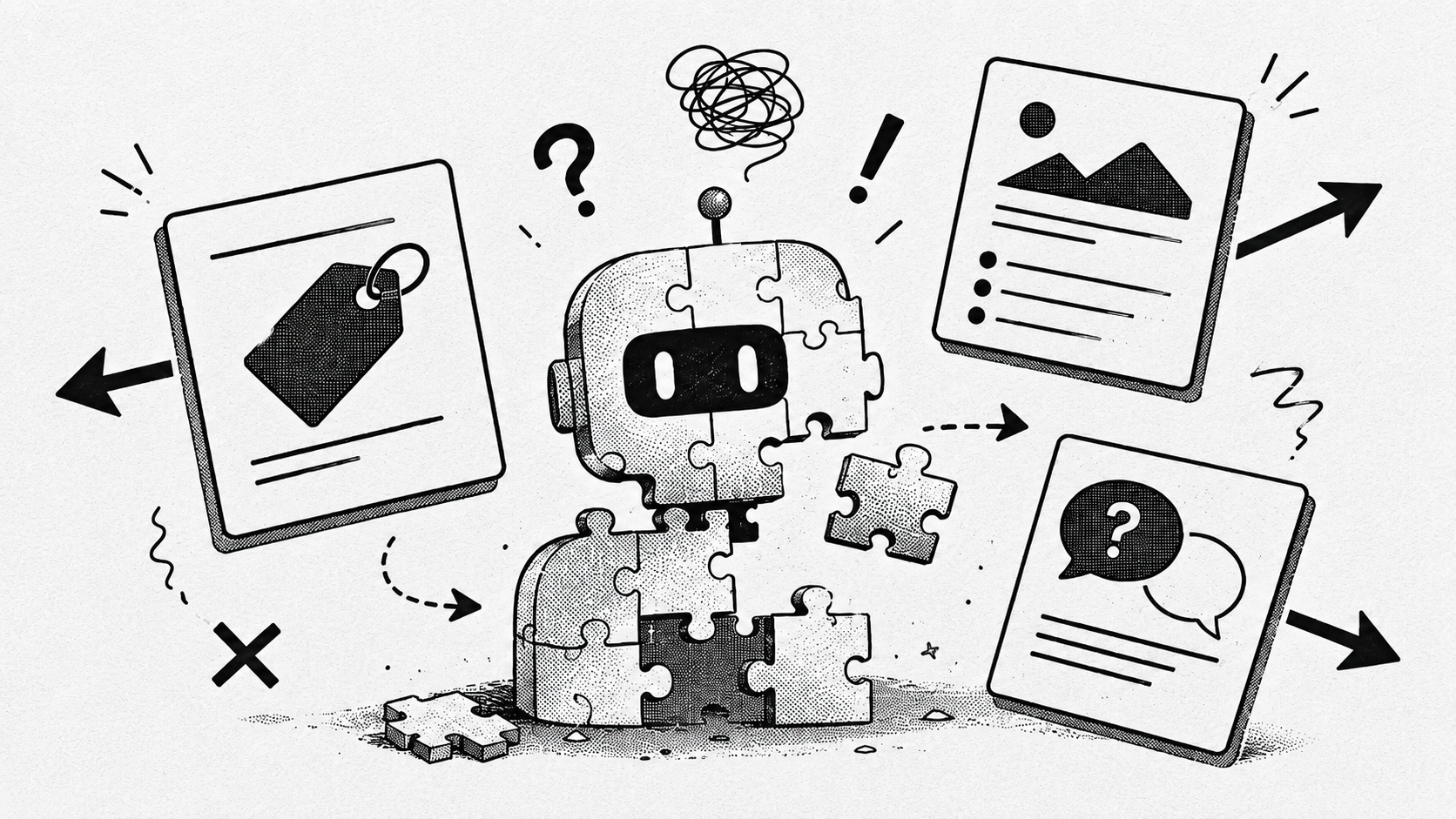
Humans can feel trust from an aesthetically pleasing homepage and brand messaging. But AI is different. It tries to verify exactly what the service is, who it's for, what the price and conditions are, when the information was updated, and where the evidence is. If the site states 300,000 won per month in one place and "to be determined after consultation" in another, AI cannot confidently explain it.
Ultimately, an AI-readable site is not one filled with AI-specific phrases. It's a site that is clear to humans too. It's where the service introduction matches the actual sales approach, product information aligns with the price list, author, date, and source are visible, and important page addresses remain stable. The phrase "AI-readable" is less about packaging the company more plausibly and more about organizing the company's facts more accurately.
Related EvidenceGoogle Search Central, AI features and your websiteGoogle, structured data introduction
Therefore, future homepages should display 'state' rather than just 'text'.
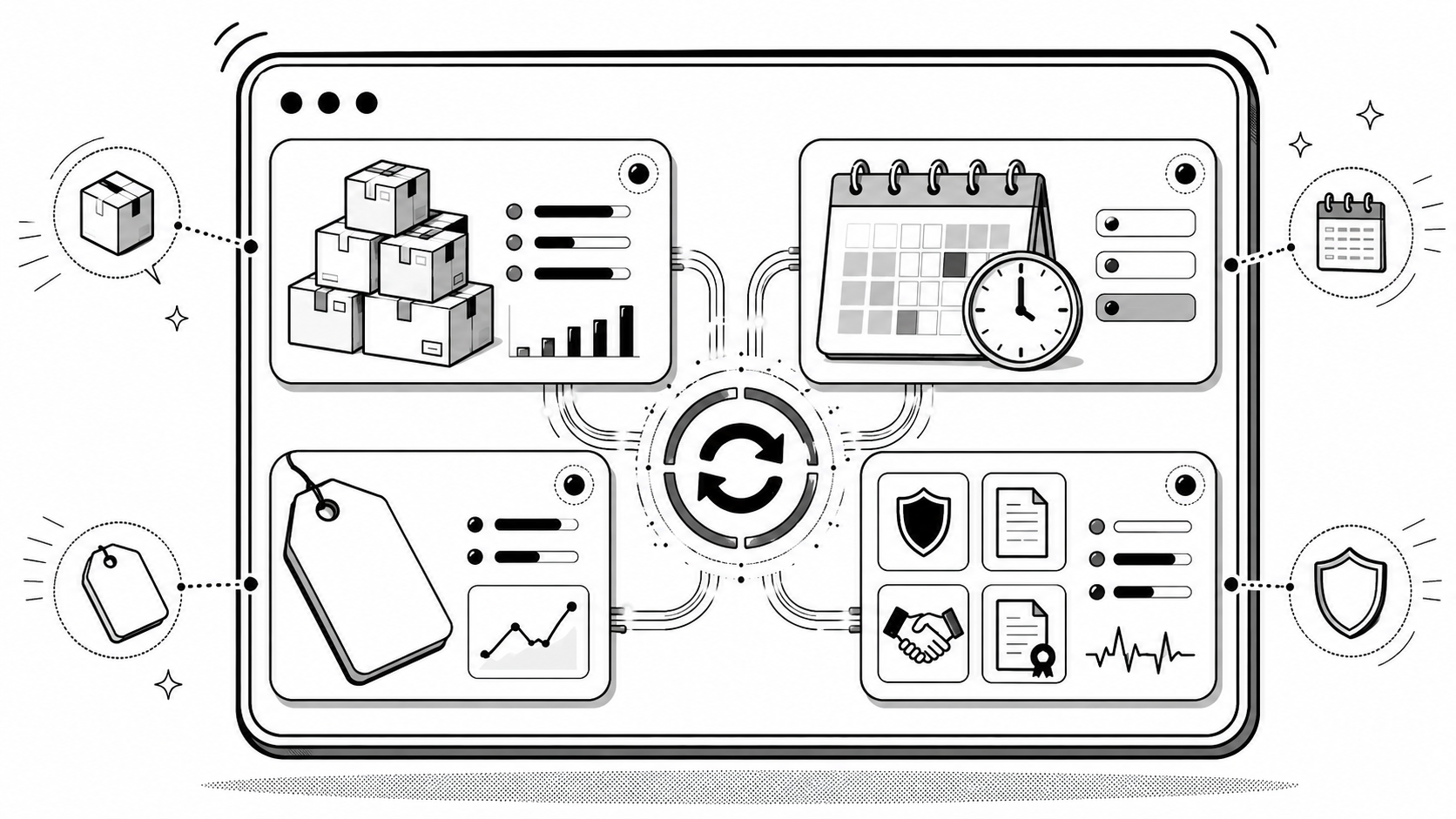
Company introduction sentences alone will no longer suffice. What customers are truly curious about is the current state: whether a service is currently available, if a price is still valid, under what conditions a contract can be made, or if there are available booking times. The context that could be explained verbally during a direct consultation must now be found by AI in the site's information and data.
What's needed here isn't some grand AI SEO secret. It's the fundamentals of the web: HTML with meaningfully linked titles and body content, consistent product/service information, accurate structured data, up-to-date dates and sources, and stable page URLs. Structured data or a single specific file doesn't guarantee AI citation. However, it makes it less confusing for both machines and humans to understand what the company states as fact.
Related EvidenceSchema.orgGoogle, sitemap overview AI exposure and citation are not guaranteed and depend on search quality and context.
AI will soon not just read, but act on behalf of customers.

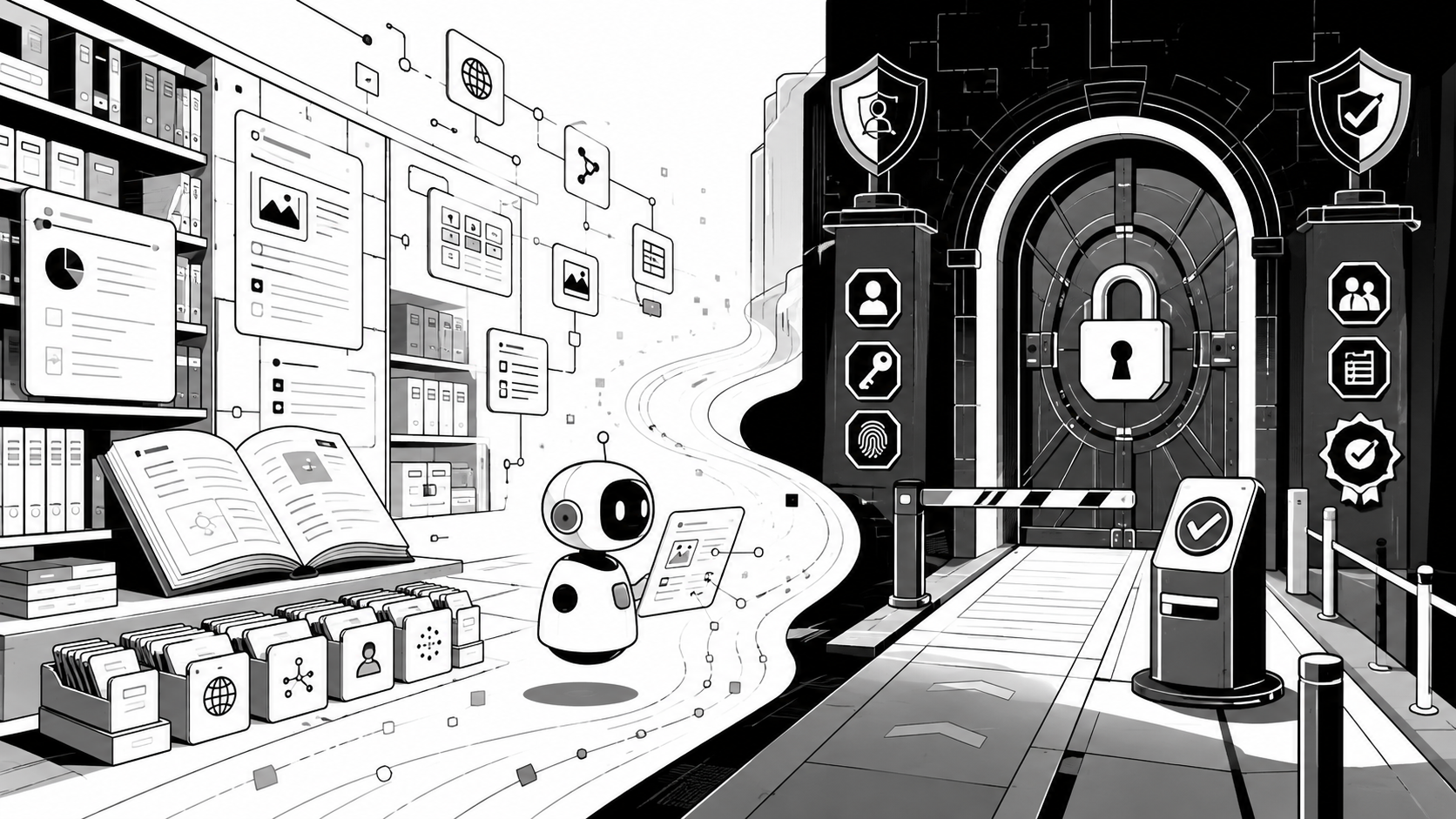
Current AI primarily reads and compares. But in the next phase, it will be able to check consultation availability, compare product conditions, and initiate quote requests on behalf of customers. At this point, the website transcends a pretty interface and becomes the gateway where a company's operations meet the outside world.
This doesn't mean we should open every button to AI. Information that can be public should be clearly accessible to everyone, while actions involving responsibility, such as quotes, reservations, or purchases, must go through authentication, authorization, and user verification. The issue of being visible in search, allowing content to learning crawlers, and granting AI acting on behalf of users the authority to perform actions are distinct.
Related EvidenceCloudflare, AI traffic optionsRFC 9309, Robots Exclusion Protocol robots.txt is not a mechanism for granting access or protecting private information.
From a web that's appealing to humans, to a web that's also trustworthy for AI.

If you rebuild your website in the future, it's not just about asking, "Should we make it look flashier?" You also need to ask if AI can accurately understand the core of your company when it reads it, if it will avoid providing outdated prices or incorrect information, and to what extent you will allow it to direct customers or initiate actions.
This change isn't just for large corporations. For a B2B company, services and case studies; for e-commerce, products, options, inventory, and prices; for hospitals, academies, or booking services, current availability and application flows; and for content companies, original texts and rights policies must all be organized in a way that AI can interpret.
Ultimately, in the age of AI, a website becomes not just a company's billboard, but its most reliable explanation to the world. A good website for humans and a readable website for AI are not far apart. Both demand information that is accurate, up-to-date, and accountable.
Before AI speaks on behalf of our company, the company must be able to explain itself properly.

Related Evidence The actual traffic and conversion effects of AI search and agents vary by industry and channel, so you should measure your own logs and inquiry/purchase data together.
Sources and Factual Boundaries
Confirmed Fact: Cloudflare announced in July 2026 that automated bots account for approximately 57% of all web requests. This does not refer to the proportion of AI alone or the number of AI readers compared to humans.
Interpretation: AI search and agents are increasing the pathways for reading the web before reaching humans, and corporate websites need to re-examine the accuracy, timeliness, and control methods of their information.
Unverifiable or Not Generalizable: Claims that specific technical elements guarantee AI citation, recommendation, or sales, or that AI reads more than humans in all industries, cannot be concluded solely from publicly available data.