When AI Enters the Arts
What MEOMURU’s “The Adult I Dreamed Of” invites us to ask after its chart success
1. A song on the charts, with an AI voice
You notice an unfamiliar name on a popular music chart: MEOMURU, with “The Adult I Dreamed Of.” The title gives you a reason to pause. It asks about the distance between the adult you once imagined becoming and the person you are today. Then, as you read about the song, another detail gives you pause. The singing voice was generated with AI.
Listen to “The Adult I Dreamed Of” on YouTube
Released on June 23, 2026, the song’s album description states that its vocals were generated with Suno AI, while MEOMURU handled the concept, lyrics, and overall production direction. According to that account, the work combines a person’s concept and lyrics with AI vocals. The description does not establish the detailed process used to create the melody or arrangement.
Yonhap News reported that the song reached No. 18 on Melon’s TOP100 as of 8 a.m. on October 2. At that point, a song using AI vocals was being consumed alongside other artists’ tracks near the top of a major Korean music chart. To me, this makes the questions around AI music more concrete. Someone is already making this song part of their day.
Sources: MEOMURU · Official YouTube video · Genie Music · Album description for “The Adult I Dreamed Of” · Yonhap News · Report of the song reaching No. 18 on Melon
The release date and stated creative contributions come from the album description. The chart position is the dated record reported on October 2, 2026.
2. From borrowing a familiar voice to releasing a song under your own name
When I encounter an AI cover, I am interested in the premise: what would this singer sound like performing that song? There is a pleasure in hearing a familiar voice and a familiar song combined in an unfamiliar way. MEOMURU’s album description foregrounds the artist’s own concept and lyrics. Here, the more relevant question is what the song released under that name communicates, rather than which famous singer it resembles.
You do not need a technical explanation to understand a title like “The Adult I Dreamed Of.” The feeling of not having arrived at the life you expected leaves room for listeners to bring their own experiences to the song. It can reach someone with no particular interest in AI as a production tool. Chart position alone, however, cannot tell us why individual listeners chose it.
We should therefore be careful about treating the song’s popularity as proof that the public has accepted AI art. Some listeners may know how it was made; others may not. Some may press play out of curiosity, while others return to it repeatedly. Still, an AI-assisted song released under an artist’s own name entering a major chart deserves attention. It can meet listeners as a song before its production method is explained.
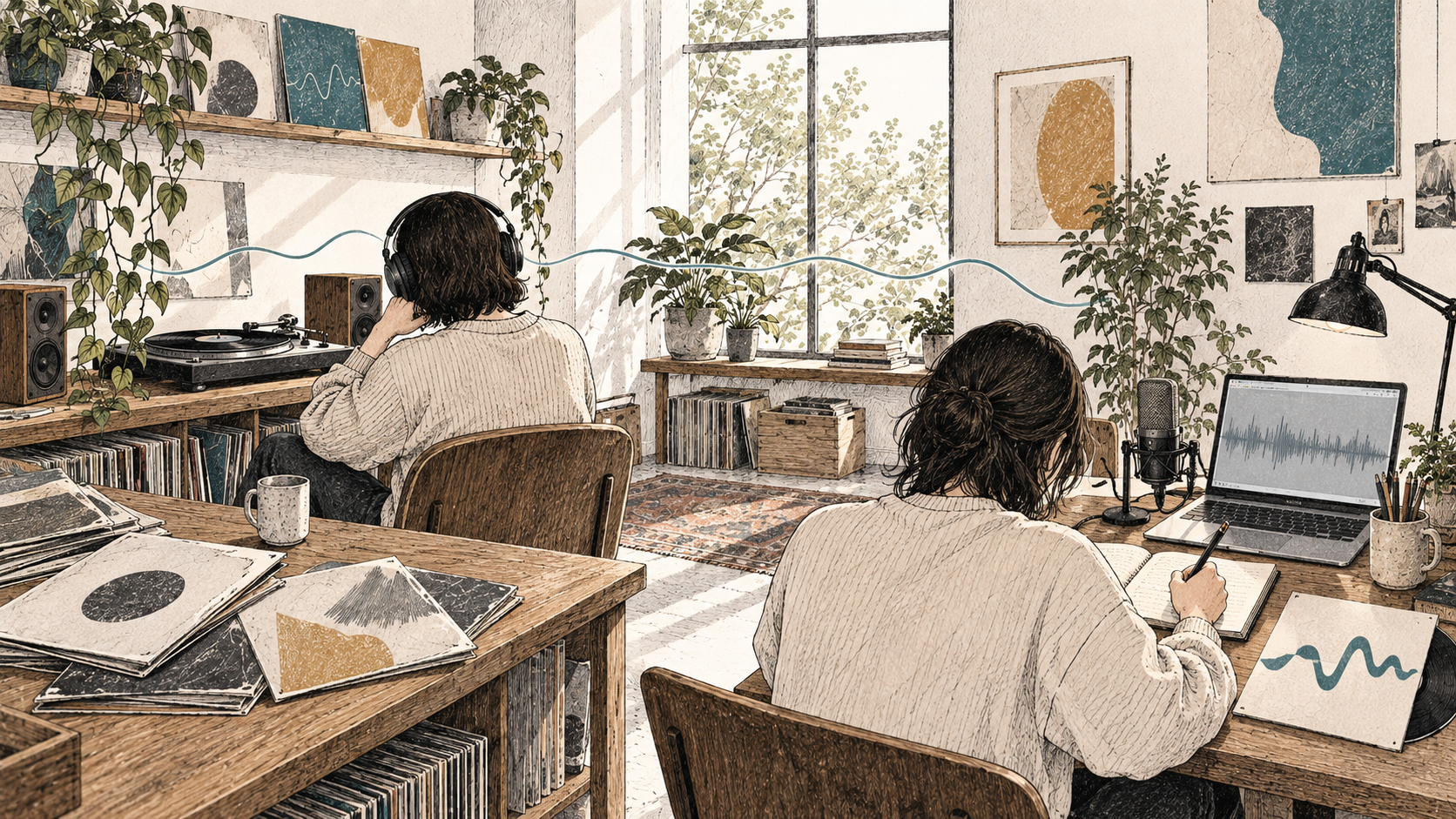
From enjoying a familiar voice to releasing a song that carries your own story. · AI-generated illustration
Sources: Genie Music · Album description for “The Adult I Dreamed Of” · Yonhap News · Report of the song reaching No. 18 on Melon
The song’s description and chart entry are documented. The comparison with AI covers and discussion of listening motives are the author’s interpretation, not findings from a listener survey.
3. What if you learn how it was made after it moves you?
This is where the questions about AI entering the arts begin. Imagine listening to a song, feeling moved by it, and only later learning that the vocals were generated with AI. Would the feeling remain the same? Even when the sound has not changed, hearing it again could be a different experience.
For one listener, what matters may be how precisely the lyrics describe their situation. For another, it may matter what the person singing those words has actually lived through. A favorite singer’s voice can carry memories of years of practice or performances we have seen. Our experience of a work can include what we know about the person behind it.
You can find comfort in a song while knowing that AI was used. You can also feel more distant from it because of that information. Both are ways of experiencing the work. Having an emotional response does not require us to set aside questions about production. Learning that AI was involved does not erase the feeling a listener actually had, either.
I think it is reasonable to keep both judgments in view: whether I liked this song, and how it came to be made. Listening in the years ahead may involve asking those questions alongside each other.
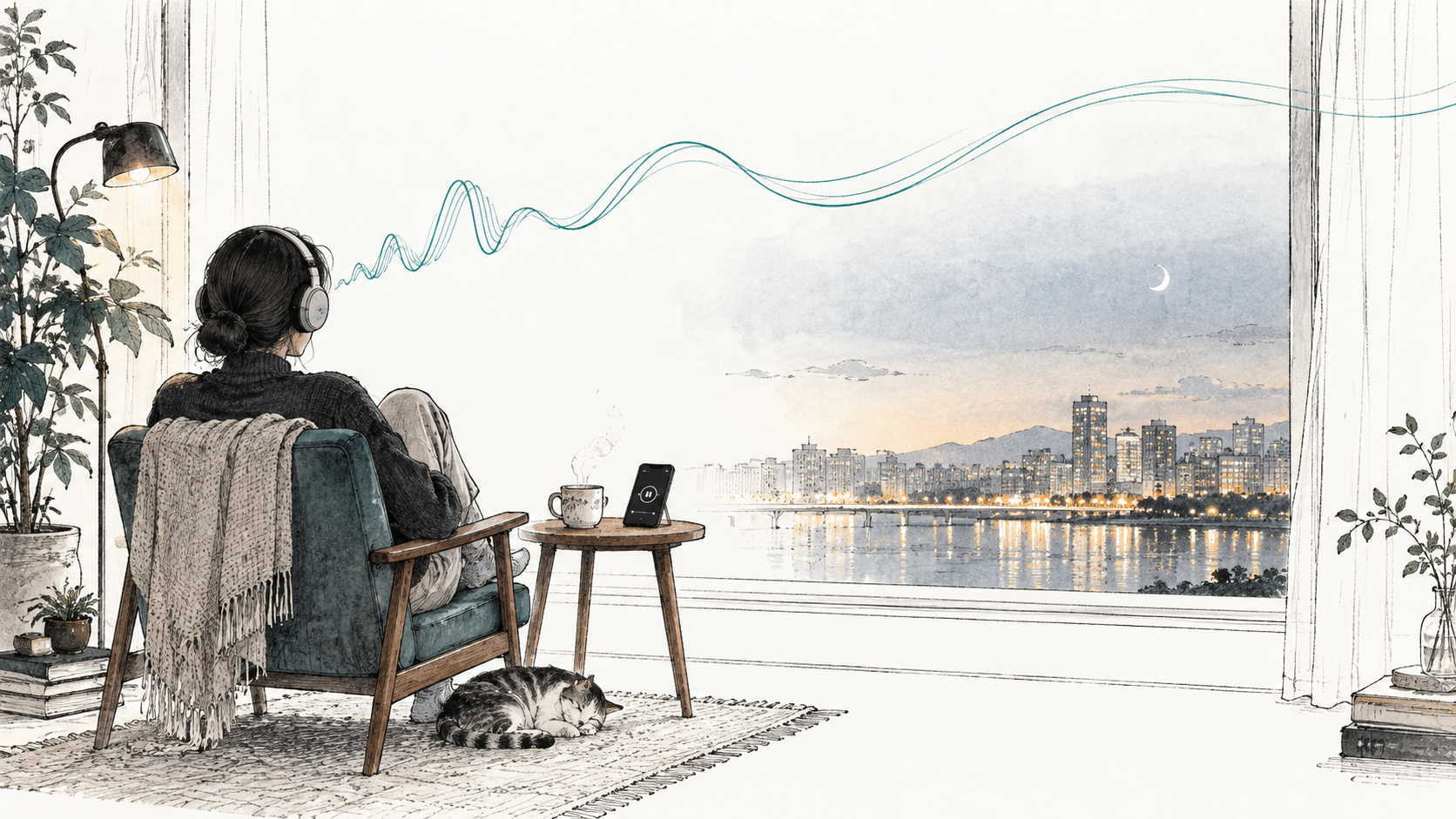
Experiencing a work and learning how it was made can influence each other. · AI-generated illustration
Sources: Genie Music · Album description for “The Adult I Dreamed Of”
The use of AI vocals is documented in the album description. The listening scenario and possible reactions are hypothetical examples and the author’s views.
4. Descriptions of creative contributions need to be more specific
“AI was used” tells us too little about a creator’s role. Writing lyrics and generating sound, revising generated lyrics, and comparing and editing several outputs involve different kinds of human work. Even with the same tool, a person’s involvement can vary.
That is why MEOMURU’s statement about handling the concept, lyrics, and production direction matters. It gives us some account of what the artist says they did. It does not tell us how much time the work took, how many revisions were made, or how much each stage contributed. Deciding whether we like a work and deciding how to credit its creation require different information.
Creators should be able to explain what they made and what they selected, and listeners should be able to choose works with that information available. More specific descriptions will help as the boundaries between generation and editing become more complex. A long list of human contributions does not guarantee artistic value. It does make clearer what we are evaluating.
We can ask the same questions when an AI-assisted image is exhibited or a video is released. Who chose the subject? Which parts were generated? What was revised? The six illustrations in this article were also generated with AI. That is why they are labeled separately from the song’s official thumbnail.
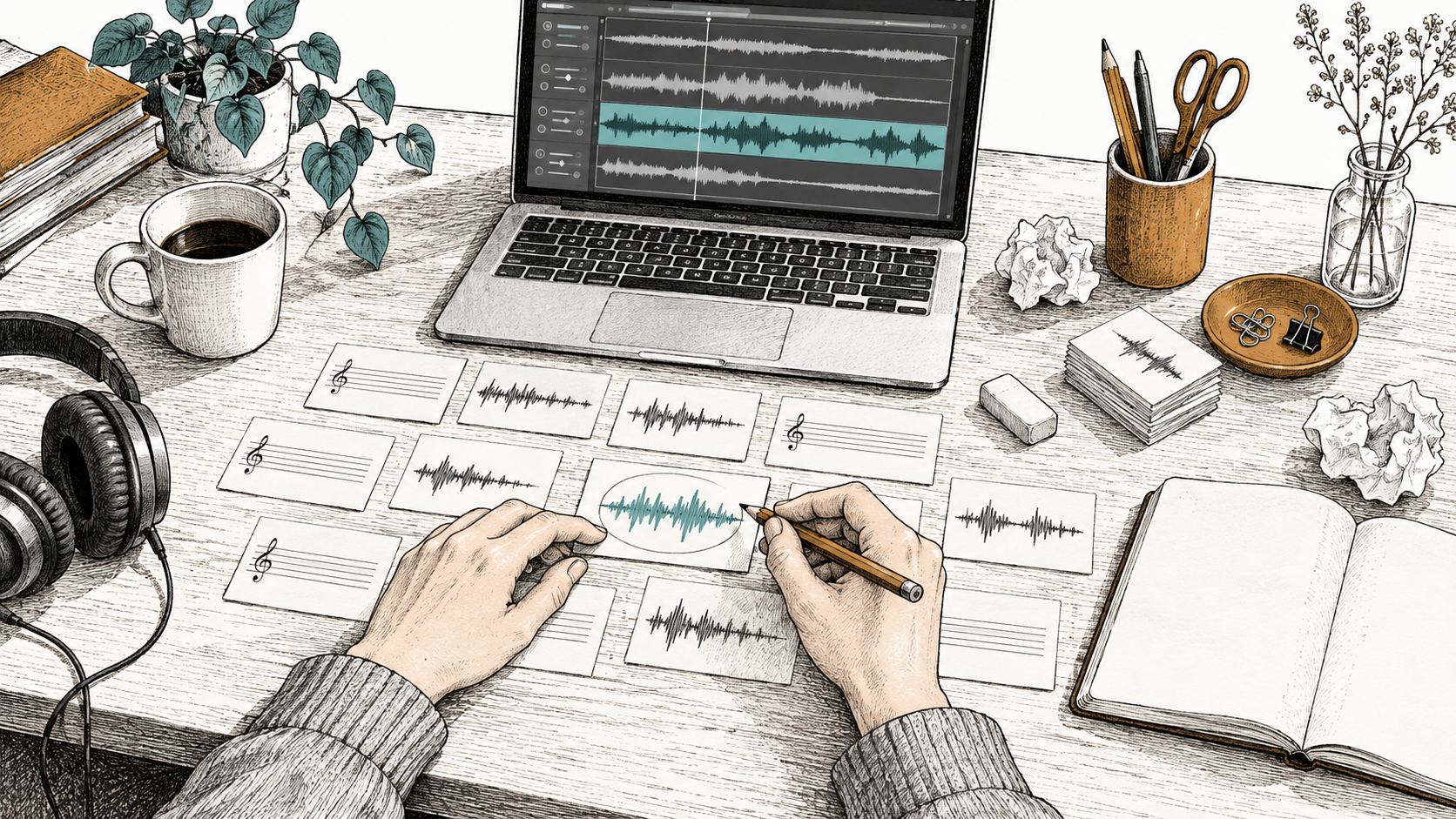
It helps to explain which parts of generation, selection, and revision a person handled. · AI-generated illustration
Sources: Genie Music · Album description for “The Adult I Dreamed Of”
This section draws on MEOMURU’s public account of the artist’s contributions. The proposal for more specific production disclosures is the author’s opinion.
5. As more works appear, discovery matters more
AI music has entered charts outside Korea as well. In 2024, Butterbro’s “Verknallt in einen Talahon” reached No. 48 on Germany’s official singles chart. In 2025, Xania Monet’s “How Was I Supposed to Know?” debuted at No. 30 on Billboard’s Adult R&B Airplay chart. These records come from different countries and measurement systems, but both show AI-assisted works reaching listeners through established music distribution channels.

International chart examples illustrated with references to Butterbro’s single cover and Xania Monet’s album cover. The countries and chart methodologies differ. · AI-generated illustration
Illustration sources: Guinness World Records · AI-generated track entering a national chart · Billboard Canada · Xania Monet’s chart record · Spotify · Butterbro single cover · Apple Music · Xania Monet’s Unfolded album
That does not mean all generated music attracts comparable attention. In April 2026, Deezer reported that fully AI-generated tracks accounted for 44% of new music uploaded to its service. It also said those tracks represented 1–3% of streams. Upload share and streaming share have different denominators. Deezer’s policy of excluding AI music from recommendations also needs to be considered. These figures cannot be generalized into a statement about taste across the entire music market.
They do, however, give us a reason to consider the difference between being able to make a song and being able to get someone to hear it. More works do not give listeners more hours in the day. The tracks we are recommended, the people whose recommendations we trust, and our reasons for seeking out another song all affect which works we encounter.
AI in the arts can give creators more options while making listeners’ choices more complicated. Finding works that stay with us among those that are easier to produce will still involve taste, explanation, and trust.
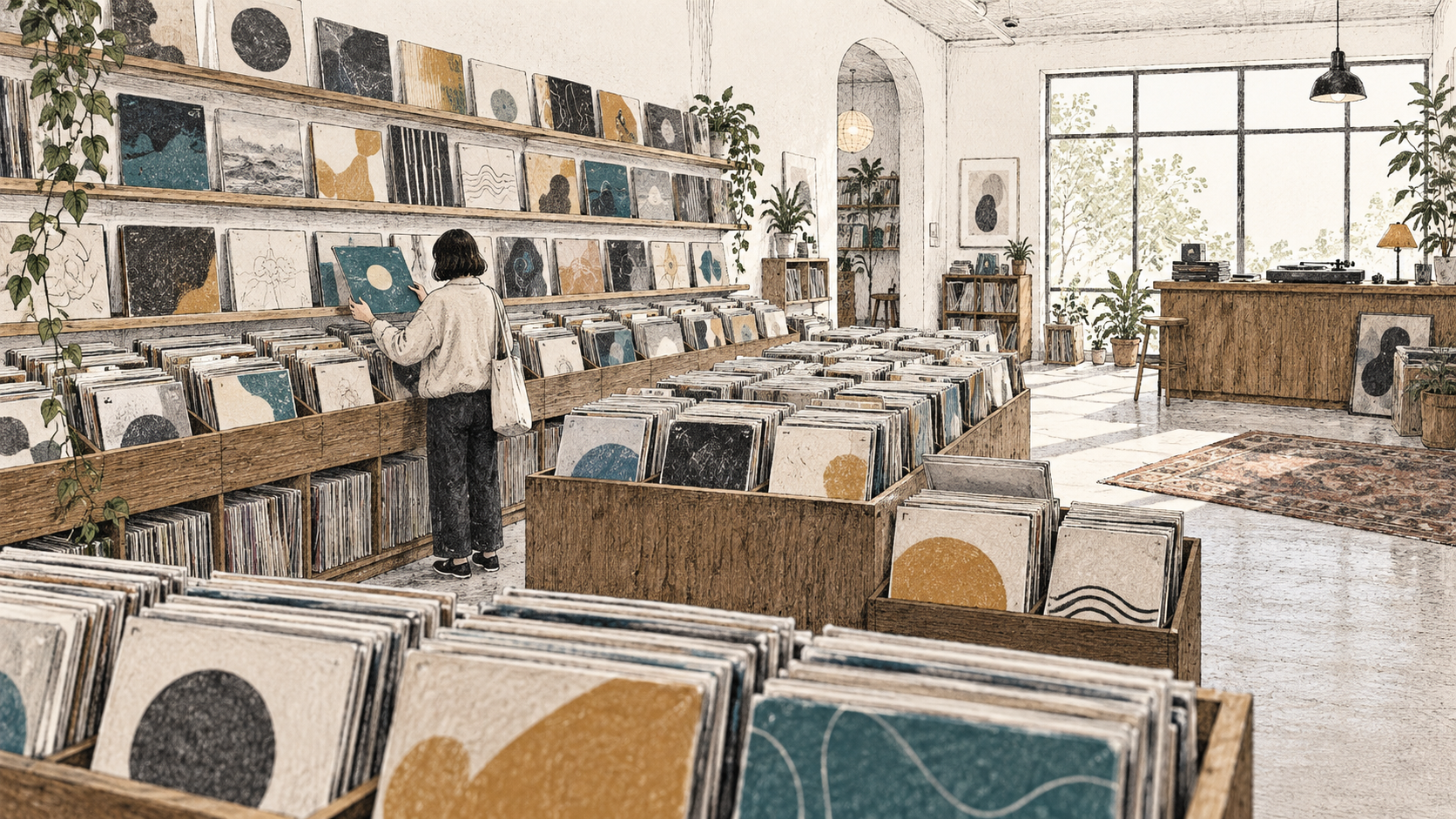
As more songs can be made, the route by which we find one we like matters too. · AI-generated illustration
Sources: Guinness World Records · AI-generated track entering a national chart · Billboard Canada · Xania Monet’s chart record · Deezer · Platform data on AI uploads and streaming · Spotify · Butterbro single cover · Apple Music · Xania Monet’s Unfolded album
Germany’s singles chart and a U.S. radio genre chart are not directly comparable. Deezer’s figures are its own platform measurements: 44% of new uploads and 1–3% of streams.
6. Will we look forward to the next song?
What I am more curious about after “The Adult I Dreamed Of” is the next song. At first, knowing that a voice was generated with AI may attract interest. After that curiosity fades, will people seek out a new release under the same name? Will they find something of the expression or feeling they liked in the earlier work?
One chart entry cannot answer those questions. We need more time to see whether people return to the song, explore other releases, and come to appreciate the choices associated with that name. If a relationship continues after listeners learn about the production tools, we will have to consider how to describe it.
When I encounter AI-assisted work, I want to pay attention to what its creator keeps releasing under that name. I want to see the judgment behind a selection, what changes in the next work, and how the creator explains the process. With AI now entering the arts, the experience I am looking for is hearing one song and wanting to find the next.
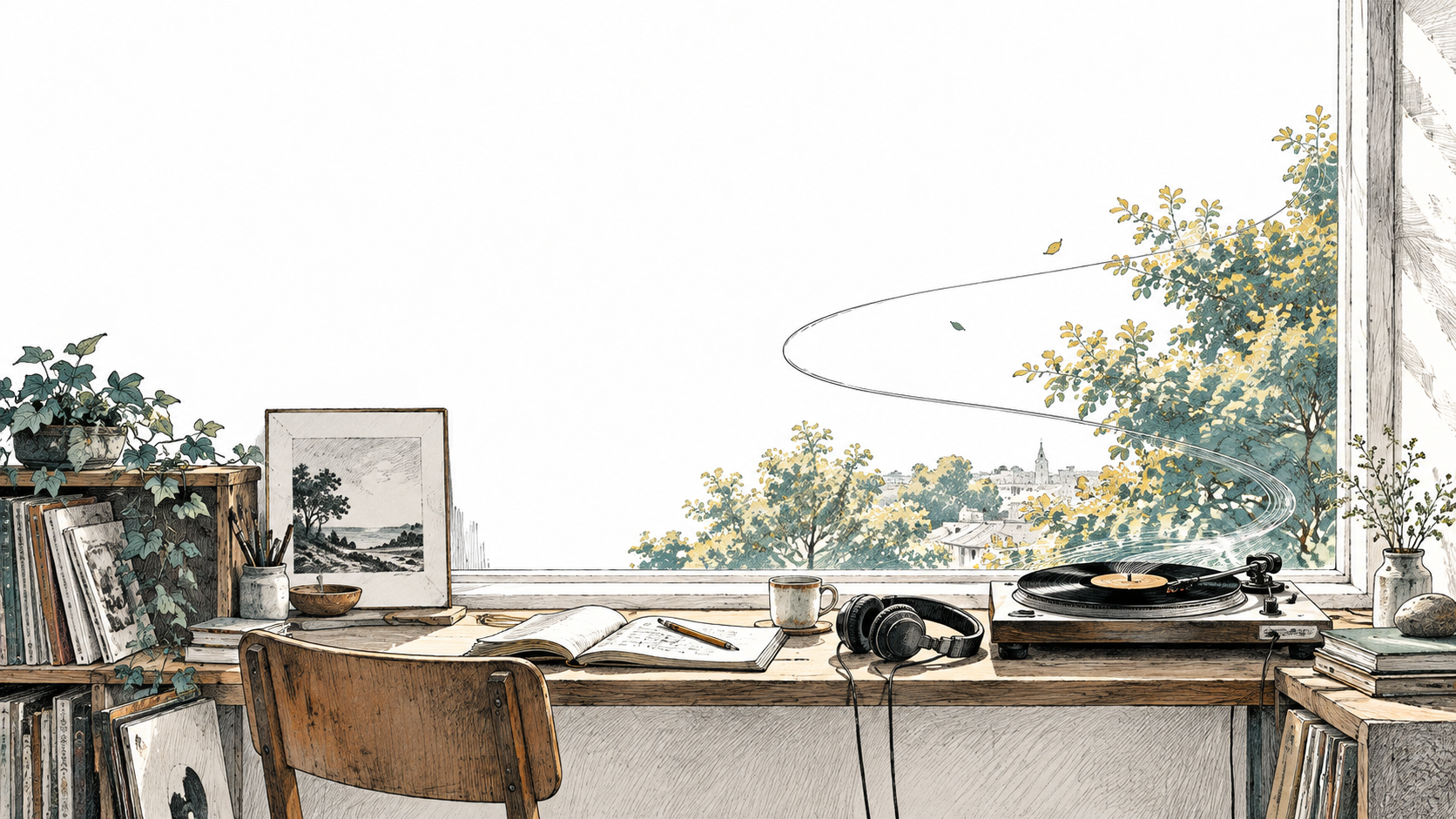
We can watch whether liking one song becomes a reason to look forward to another work. · AI-generated illustration
Sources: MEOMURU · Official YouTube video · Genie Music · Album description for “The Adult I Dreamed Of”
This is the author’s outlook, prompted by the song and artist description. It does not claim verified results for later releases or the formation of a fan community.
Sources and References
MEOMURU · Official YouTube video
Original video and thumbnail source. The thumbnail is used without alteration.
Genie Music · Album description for “The Adult I Dreamed Of”
Released June 23, 2026. Describes Suno vocals and MEOMURU’s concept, lyrics, and overall production direction.
Yonhap News · Report of the song reaching No. 18 on Melon
Published October 2, 2026. Reports No. 18 on TOP100 as of 8 a.m. that day.
Guinness World Records · AI-generated track entering a national chart
Butterbro reached No. 48 on Germany’s official singles chart in August 2024.
Billboard Canada · Xania Monet’s chart record
No. 30 on Adult R&B Airplay in November 2025. This is distinct from the Hot100.
Deezer · Platform data on AI uploads and streaming
Announced April 20, 2026: 44% of new uploads and 1–3% of streams. The denominators differ, and platform policies matter.
Spotify · Butterbro single cover
Official cover for Verknallt in einen Talahon, used as a reference for the comparative illustration.
Apple Music · Xania Monet’s Unfolded album
Album cover and track listing for Unfolded, which includes How Was I supposed to Know? Used as an illustration reference.